Grades by color and resin density
Agarwood is divided into five stages according to how much resin has formed on the surface. Only wood filled with resin is truly called agarwood (chimhyang).
| Stage | Color | Resin density | Name | Description |
|---|---|---|---|---|
| 1 | Green | 10% | Saenghyang (生香) | Recently cut |
| 2 | Deep green | 30% | Jamhyang (暫香) | Resin covers 3/10 of the surface |
| 3 | Gold (pale yellow) | 50% | Sokhyang (速香) | Resin covers 5/10 of the surface |
| 4 | Yellow | 70% | Sokhyang (速香) | Resin covers 7/10 of the surface |
| 5 | Black | 100% | Chimhyang (沈香) | Resin covers the entire surface |
Names by how it sinks in water
Agarwood tree wood has a specific gravity of around 0.4, so it floats. Whether a piece sinks depends on its resin content.
The Bencao Gangmu (Compendium of Materia Medica) records: "The heartwood and knots of the tree sink when placed in water, and so are called chenshui (沈水, 'sinking in water'); those that half sink are zhanxiang, and those that do not sink are huangshuxiang."
| Grade | In water | Name |
|---|---|---|
| 1 | Sinks completely | Suchimhyang (水沈香) |
| 2 | Half floats, half sinks | Janhyang (棧香) |
| 3 | Floats | Hwangsukhyang (黃熟香) |
Grades of kynam (伽楠香)
Kynam is traditionally the most prized form of agarwood. It is also written 奇南香 or 琦南, and in Vietnam it is called kỳ nam.
Ordinary agarwood is hard, but kynam holds so much resin that it is soft and slightly tacky. It can be shaved thin with a knife and rolled into a ball, and it feels sticky when chewed. Because it is rare, kynam is graded separately, with green oil (綠油) and purple oil (紫油) regarded as the highest grades.
| Grade | Name |
|---|---|
| 1 | Green oil · nogyu (綠油) |
| 2 | Purple oil · jayu (紫油) |
| 3 | Black oil · heugyu (黑油) |
| 4 | Blue thread · cheongsa (靑絲) |
| 5 | Gold thread · geumsa (金絲) |
| 6 | Ganamgak (伽楠角) |
Four types by how the resin formed
Specialists divide agarwood into four types according to what caused the resin to form. Tradition holds that sukgyeol and tallak have a mild character, while saenggyeol and chungru are more intense.
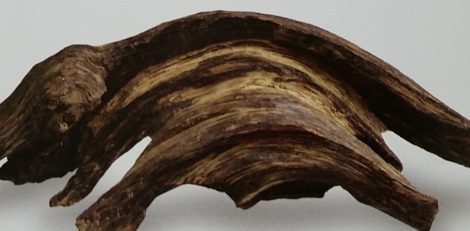
Sukgyeol (熟結)
Resin that formed naturally inside a living agarwood tree
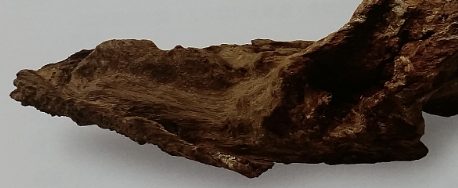
Tallak (脫落)
Resin left behind after an agarwood tree has died
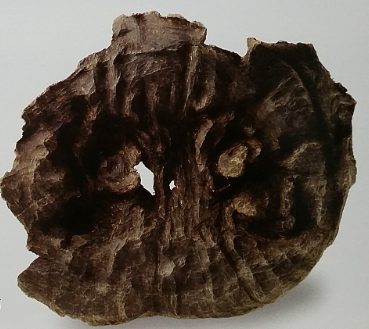
Saenggyeol (生結)
Resin formed after people wounded the tree
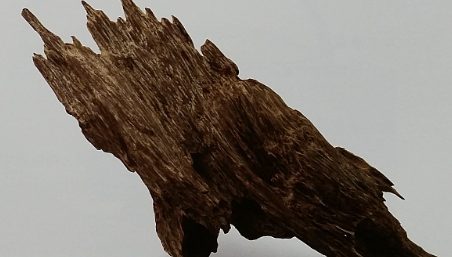
Chungru (蟲漏)
Resin formed around wounds made by insects
· Sukgyeol and tallak are extremely hard to obtain and highly valued, so they are mostly traded as raw pieces.
· The cultivated agarwood from Daeracheon's farms is saenggyeol, used as a raw material for incense, tea, oil and other products.
Judging by taste and scent
The quality of agarwood is also judged by the scent it gives off when burned and by its taste. Agarwood is characterized as pungent (辛), bitter (苦) and warm (溫), and it is said that the higher the grade, the warmer the taste. Kynam is said to taste much warmer than ordinary agarwood.
Sources: Naver Blog (in Korean) "A Thousand Years of Fragrance: Daeracheon Agarwood," posts on agarwood grades and formation types; Bencao Gangmu, agarwood entry, explanation of names (釋名)