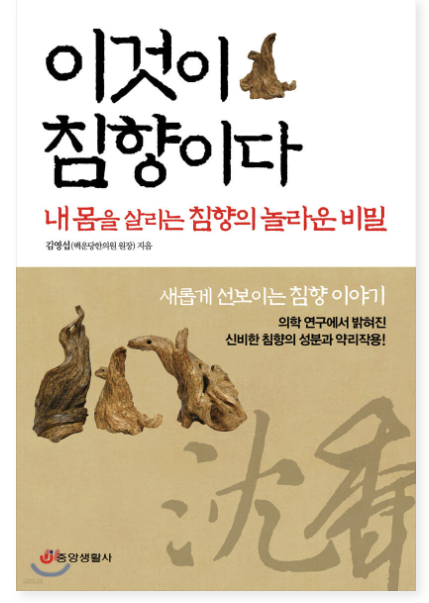
A thousand years,
held in fragrance
When an agarwood tree is wounded, it forms resin to protect itself. Over long years, that resin becomes a fragrant wood heavy enough to sink in water. On its own farms in Vietnam, Daeracheon waits out that time.
Discover agarwood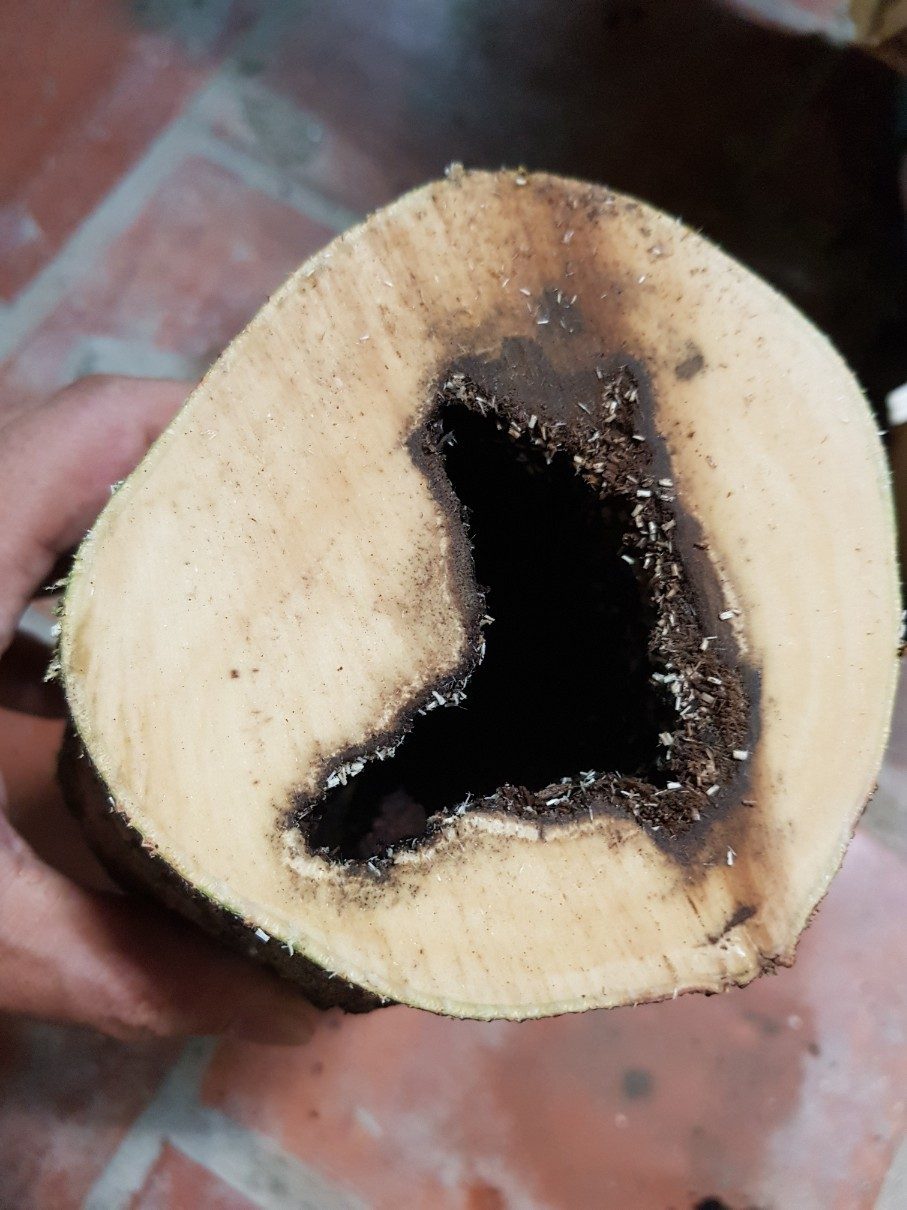
What is agarwood
The fragrance that sinks
Agarwood trees have a specific gravity of about 0.4, so the wood floats. As resin builds up deep inside, it grows heavy enough to sink. Hence the name: 沈 (chim), "to sink."
What is agarwood → 02 · 時A 25-year wait
Resin is induced in trees grown for more than 20 years, followed by at least 5 more years of maturing. Harvest takes a minimum of 25 years.
Production process → 03 · 種A single species
The Daeracheon farm grows one species: Aquilaria agallocha Roxb., the name listed in the Korean Food Code and the Korean Herbal Pharmacopoeia.
Species & origins →How a tree becomes agarwood
Planting
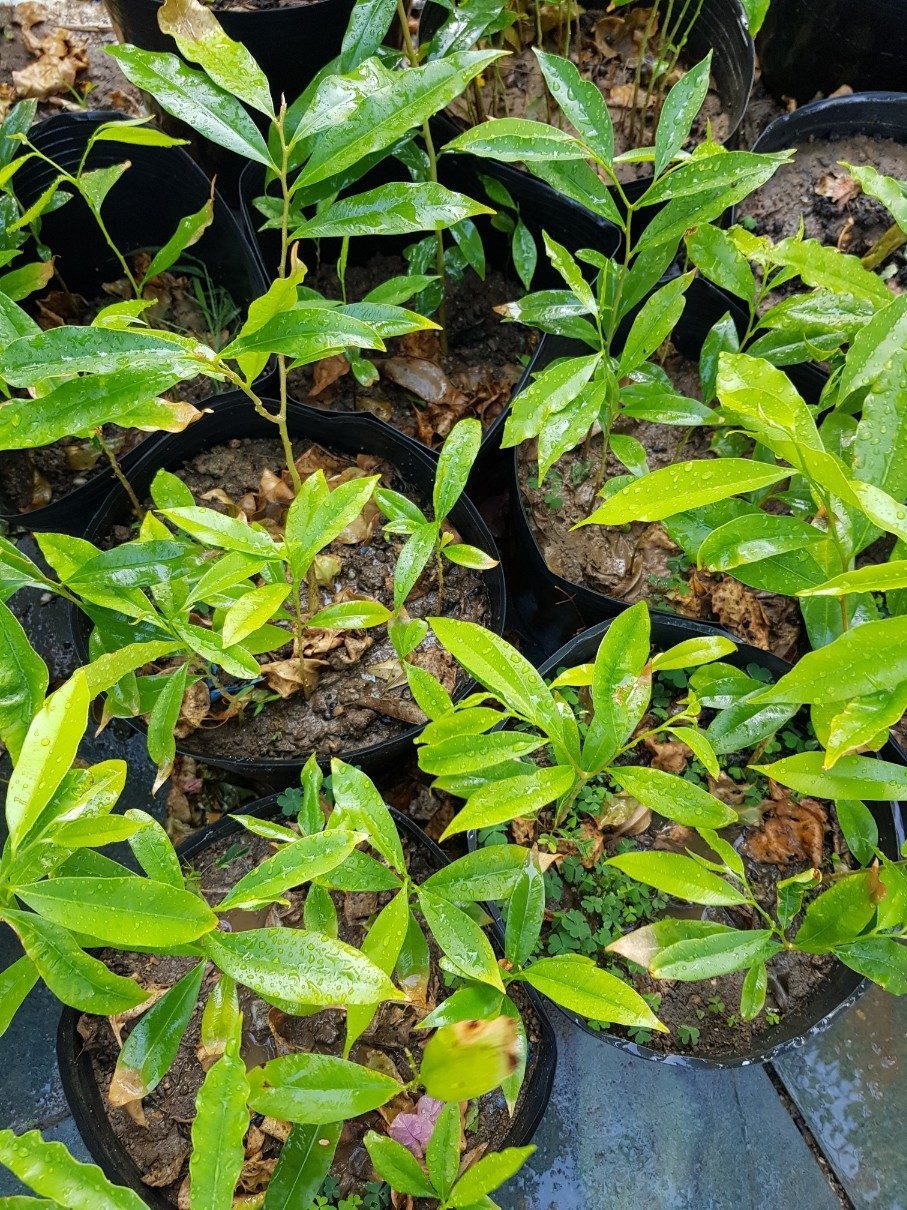
Seedlings are planted at the Ha Tinh farm, and every tree is given a serial number.
20 years of organic growth
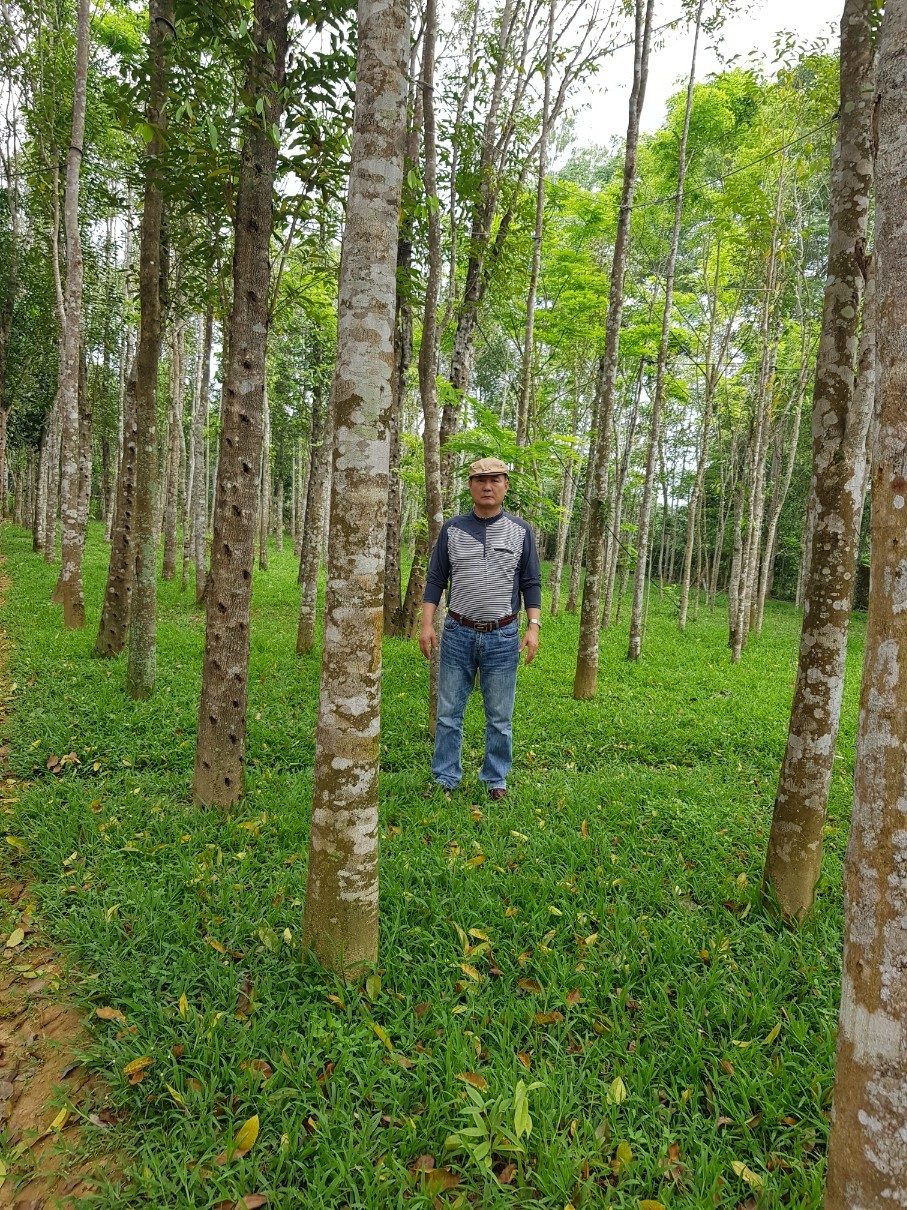
The trees grow for more than 20 years on a certified organic farm.
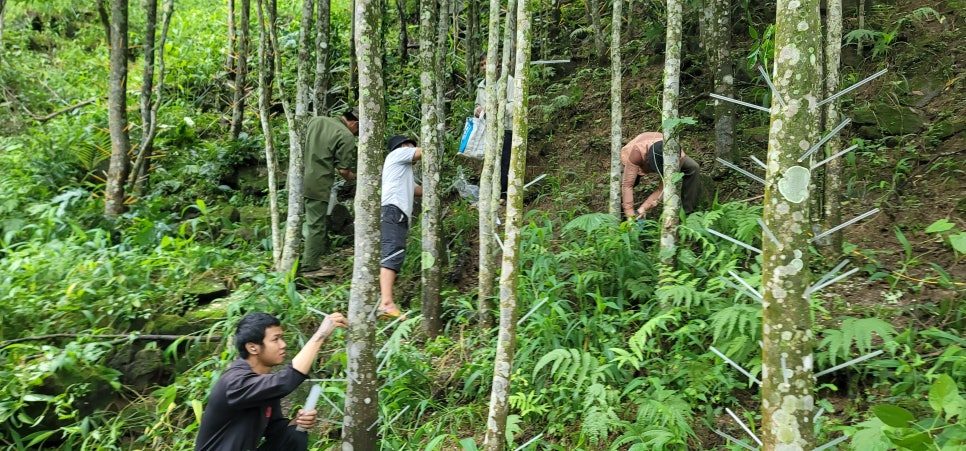
Resin induction
A resin-inducing agent is introduced into the tree so that resin forms around the wounded area.
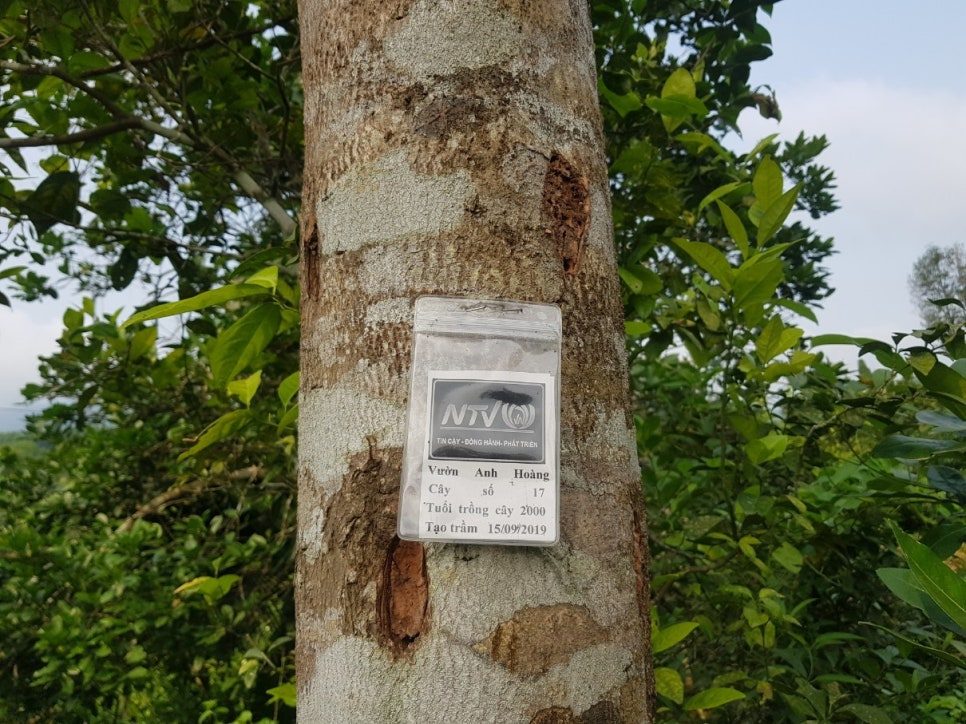
5 years of maturing
We wait at least 5 more years for the resin to settle fully within the wood.
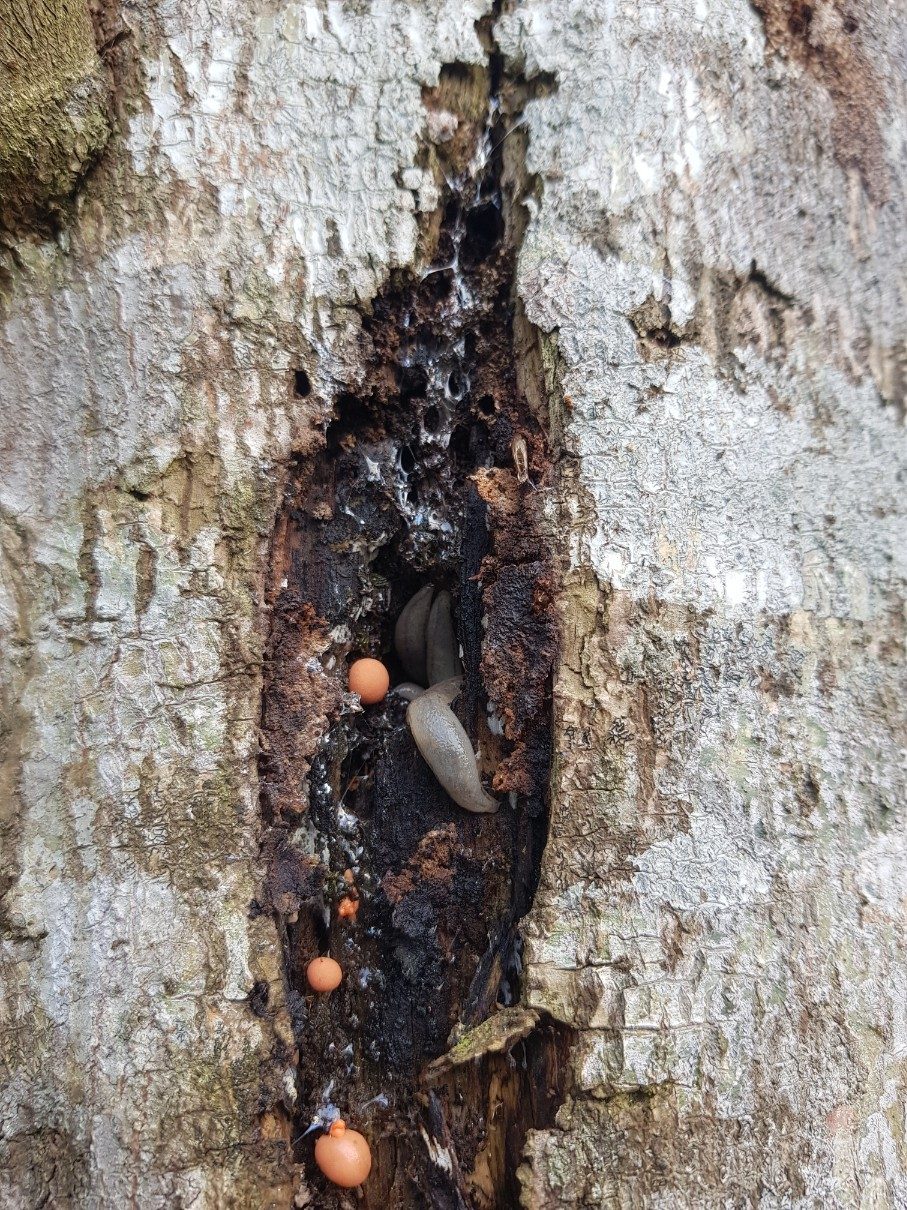
Harvesting
Trees over 25 years old are felled, and the resinated sections are identified.
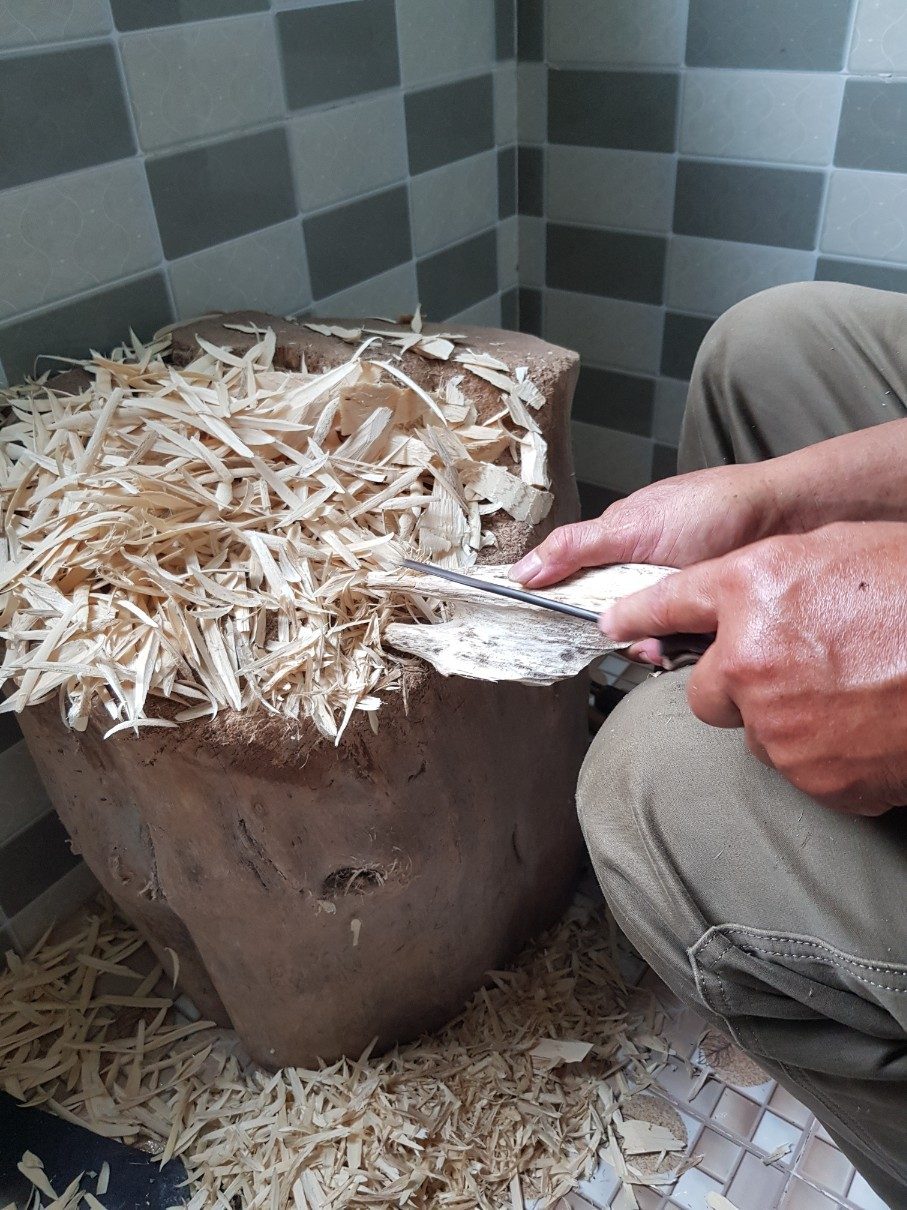
Sorting
Only the resinated parts are carved out, piece by piece, with knife and chisel.
Steam distillation
Agarwood oil is obtained by traditional steam distillation at the Dong Nai factory.
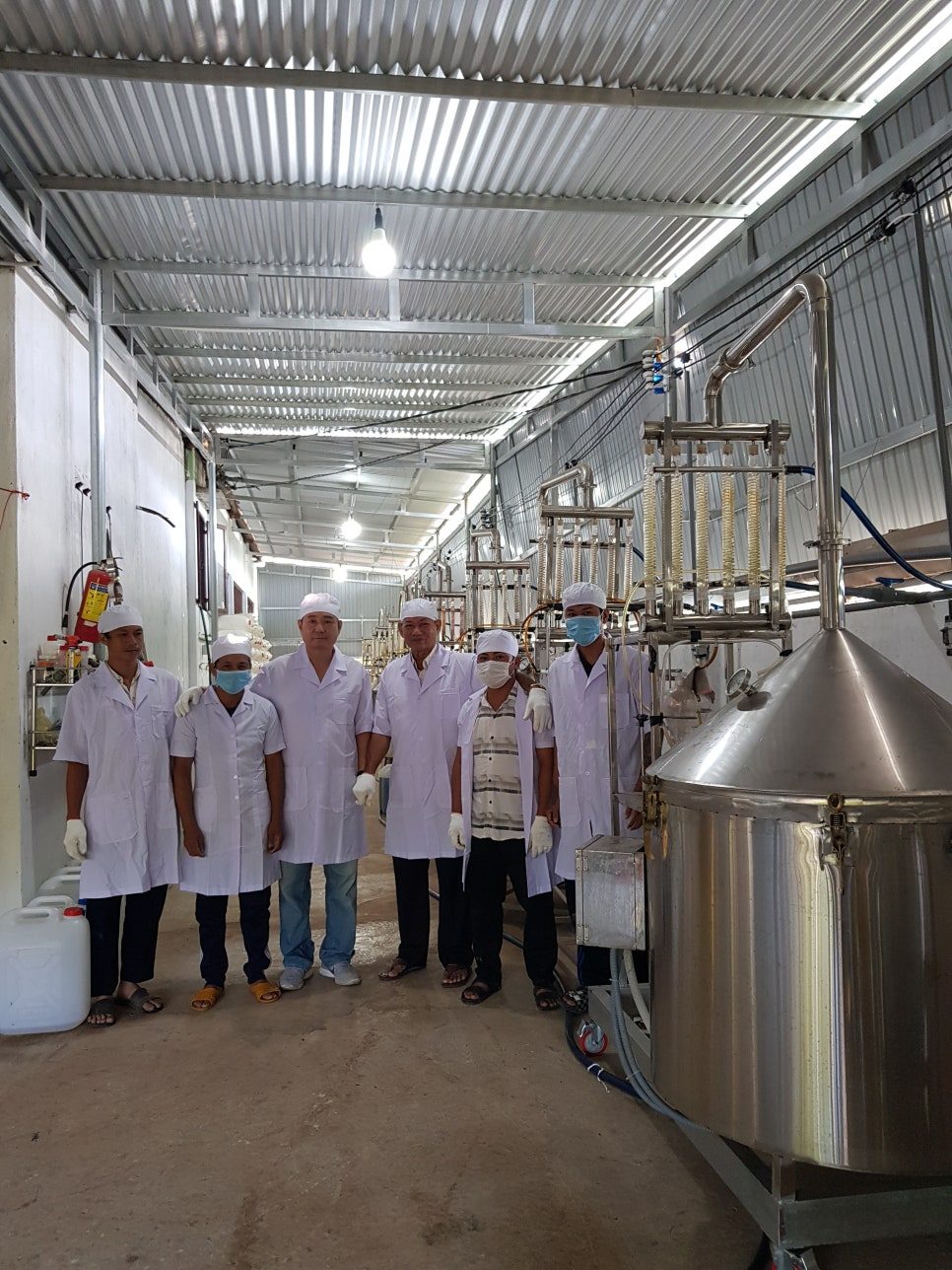
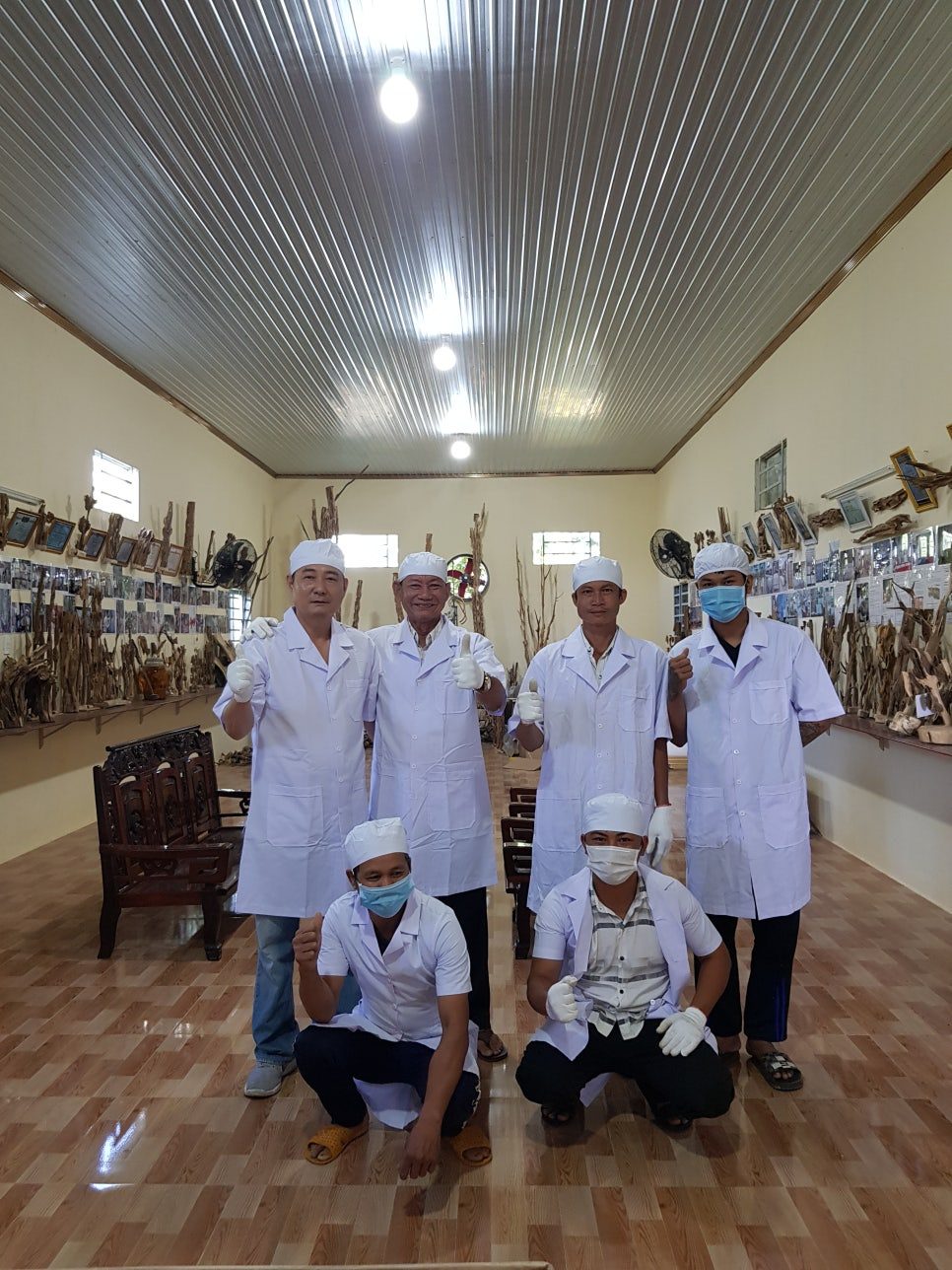
Inspection and production
After the resin is inspected, it is made into products at a HACCP-certified factory.
As I sit a long while, from the golden censerKim Geuk-gi (金克己), poem on Hwangnyongsa Temple · Sinjeung Dongguk Yeoji Seungnam
agarwood smoke rises like seal-script characters (篆字)
and drifts away in rows