Agarwood

What Is Agarwood

Resin that gathers to protect a wound becomes, over long years, a fragrant wood that sinks in water.

DEFINITION

What is agarwood?

When a tree of the genus Aquilaria in the family Thymelaeaceae is wounded, it produces resin to protect the injured area. Agarwood is this resin, bound into the wood and matured over a long time.

The Korea Ministry of Food and Drug Safety (MFDS) defines agarwood as "the trunk wood of the agarwood tree in which resin has been deposited." It may look like ordinary pieces of wood, large and small, but the resin-infused parts are harder and heavier than the original wood.

In English it is called agarwood, aloeswood or oud.

沈chim · to sink
香hyang · fragrance
HOW IT FORMS

The time it takes to make agarwood

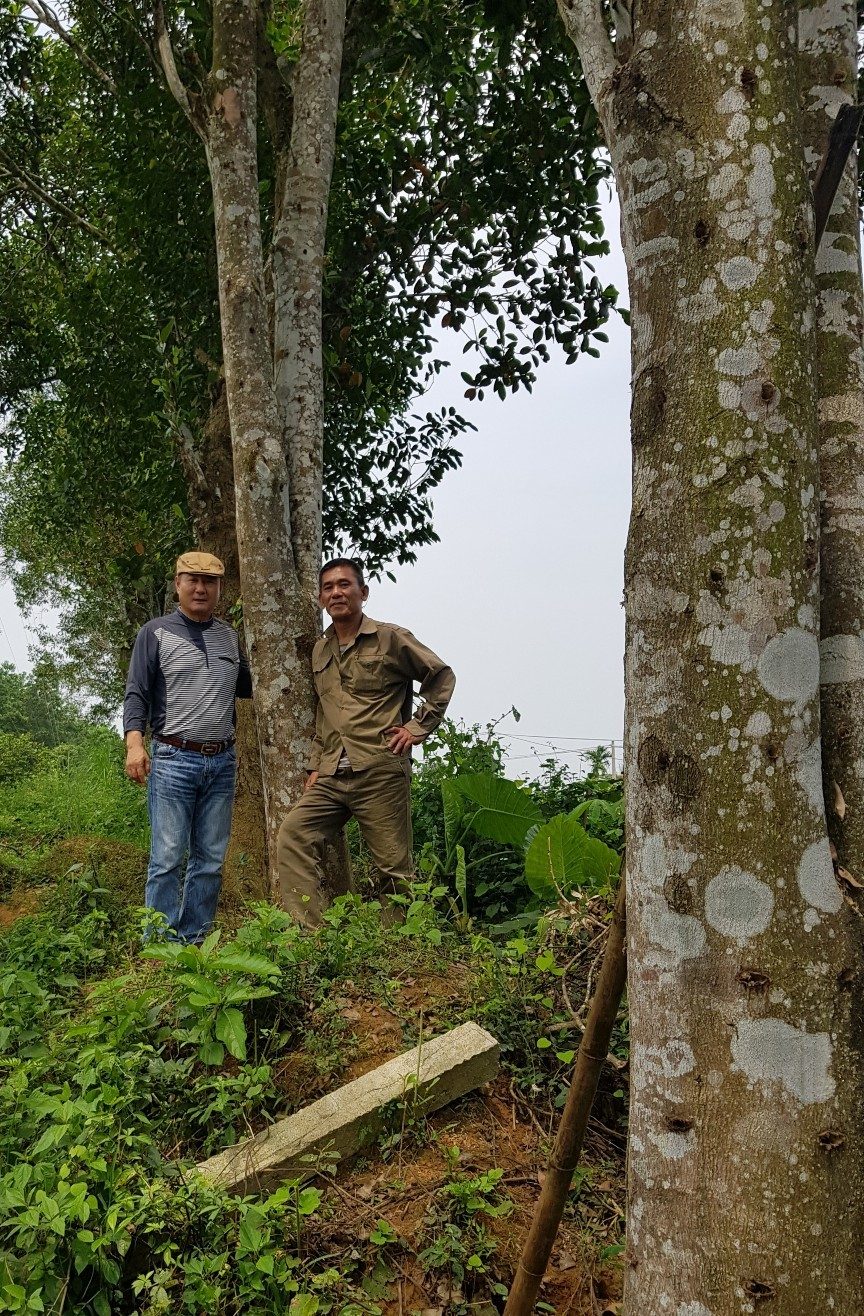
An agarwood tree more than 30 years old 01 · The tree

A tree without scent

The agarwood tree is an evergreen that grows up to 30 m tall. It flowers in March and April and bears fruit in May and June, and it is found in Vietnam, Laos, Cambodia, India, Indonesia, Malaysia and neighboring regions. The wood of a healthy tree is pale, light and has no particular scent.
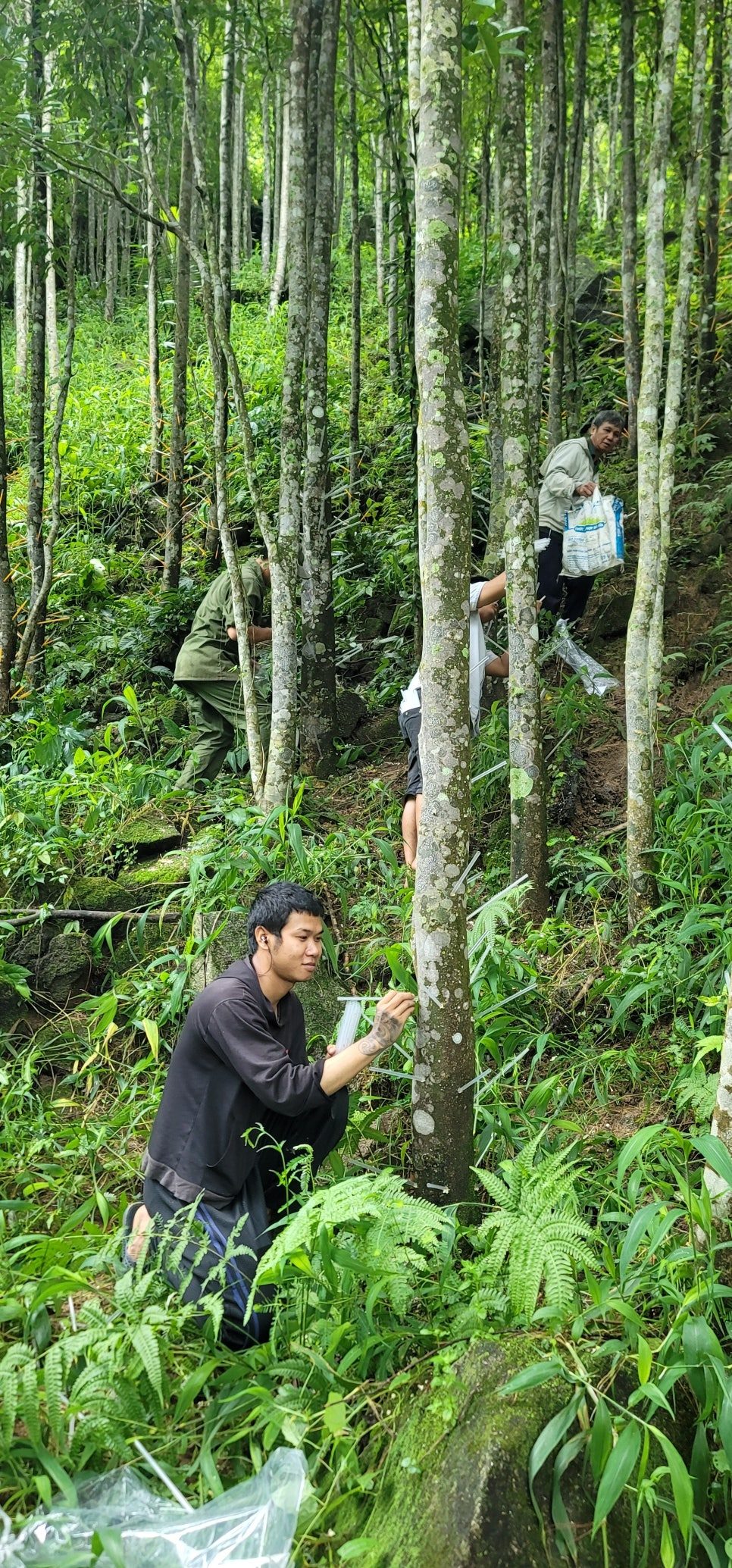
Inducing resin in the tree 02 · The wound

A wound appears

Lightning, wind, insects or fungi wound the tree. On cultivated farms, people make the wounds by hand and apply a resin-inducing agent. The tree responds by releasing a sticky resin to protect the injured area.
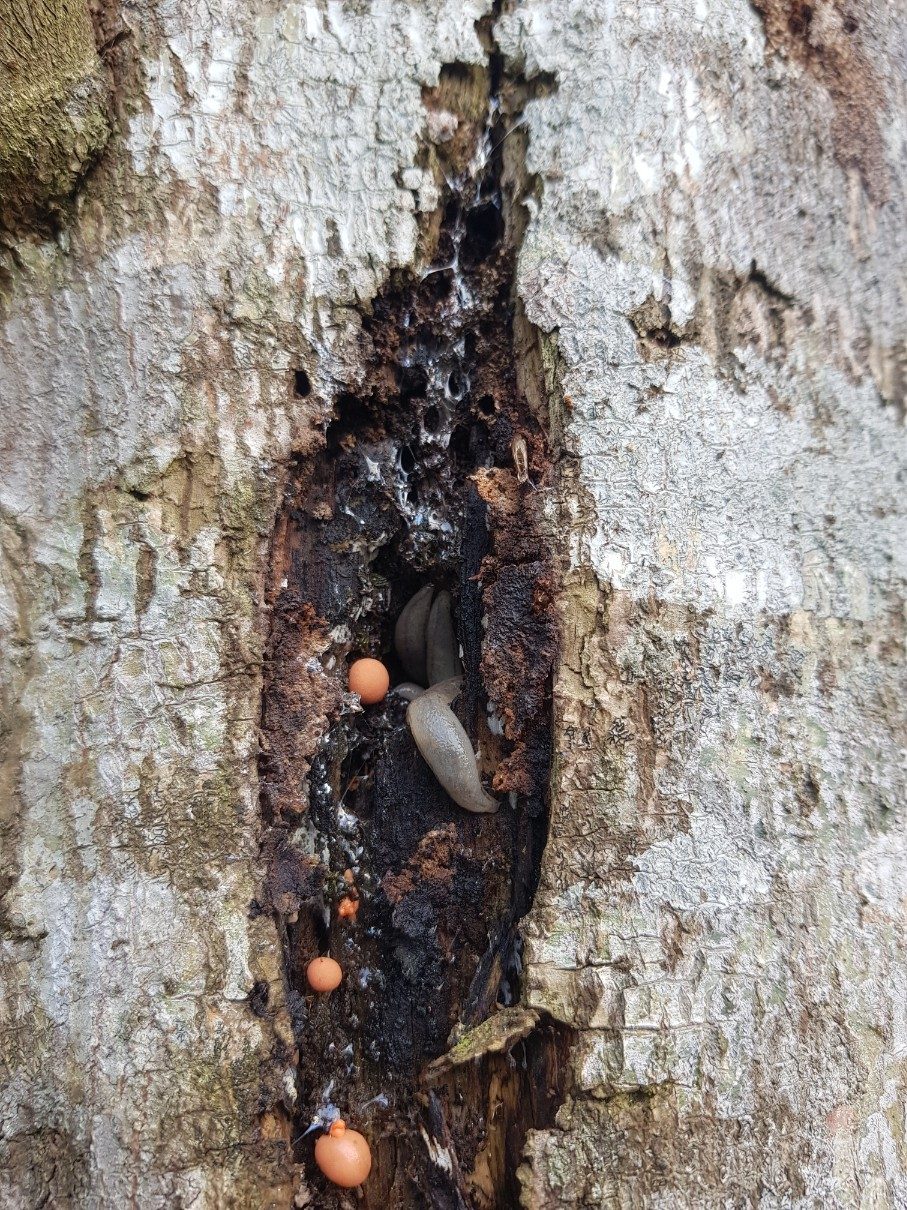
Resin formed around a wound 03 · The resin

Resin forms

The resin seeps into the surrounding wood and binds with it. Where resin has formed, the wood turns blackish brown or dark reddish brown and becomes harder and heavier than before.
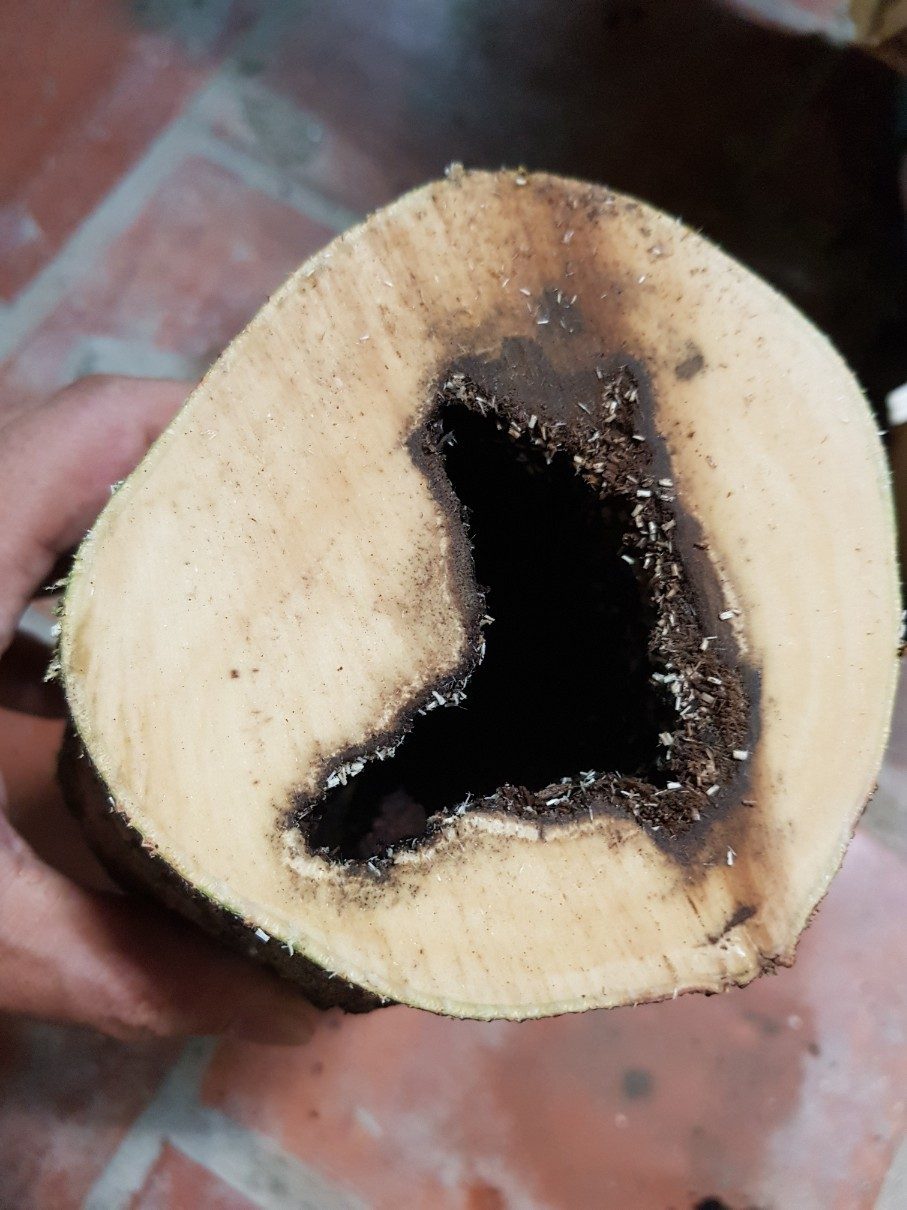
Cross-section of resinous wood 04 · Time

Maturing over long years

It takes many years for enough resin to accumulate. In the wild this can take decades or even centuries. On cultivated farms, trees are grown for more than 20 years before resin is induced, followed by another 5 years or more of waiting.
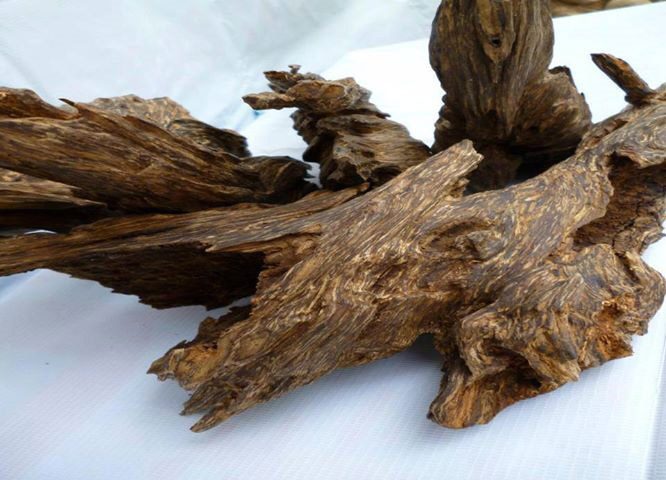
Harvested agarwood 05 · Agarwood

The fragrance that sinks

Agarwood tree wood has a specific gravity of around 0.4, so it floats. Agarwood rich in resin, however, becomes dense enough to sink in water. This is the origin of its name, 沈香 (chimhyang): "the fragrance that sinks."
CHARACTER

The character of agarwood

Shape
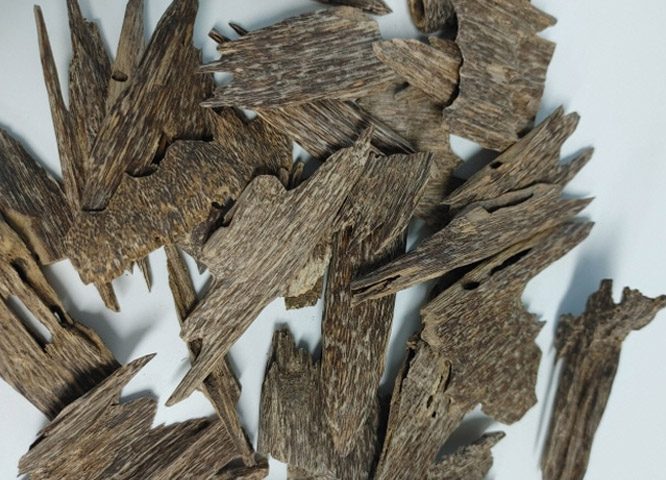
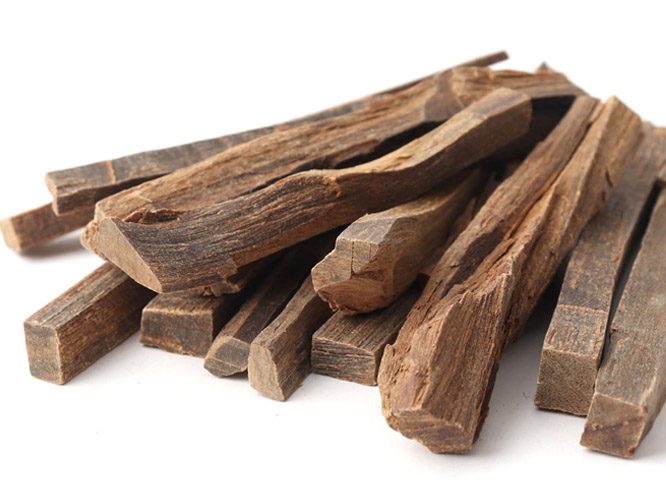
Irregular lumps, chips or sticks, about 7–20 cm long and 1.5–6 cm in diameter
Color
Blackish brown or dark reddish brown, with alternating brown, black and yellow streaks
Texture
Parallel fibers holding resin; hard and heavy, with a grayish-brown broken surface
Scent
When placed in fire, oil seeps out and it burns with a fresh, strong fragrance
Taste
Pungent and bitter (辛 · 苦)
Nature
Warm (溫)

Source: The Korean Herbal Pharmacopoeia, description of agarwood; Korean Traditional Knowledge Portal

AROMA

A fragrance awakened by warmth

In its natural state, agarwood has almost no scent. Only when it is burned or warmed above body temperature does it release its distinctive fragrance. This is because heat breaks down the sesquiterpenes in the resin and turns them into aroma compounds.

For this reason, agarwood is gently warmed over charcoal or on an electric incense burner, or powdered, kneaded and made into incense sticks.

Be careful with agarwood crafts that smell strongly even at room temperature: they may be resin-free wood coated with artificial fragrance.

Aroma compounds of agarwood

Different by origin

Wild agarwood from Vietnam
Cultivated agarwood from Vietnam
Wild agarwood from Indonesia